
why / about
FOURTEEN YEARS OF BEING THE PERSON THEY CALL.
01 / story
THE throughline
Every industry Night Owl Bay has worked in looked, from the outside, like a different job. From the inside they were the same job: find out what is actually broken, design the system that fixes it, and then build the thing.
It started in commercial banking — eight years of business development, managing and prospecting a portfolio of clients with revenues between $5 million and $250 million, and building the onboarding and training programs for new employees. That is where the habit of reading an organization through its numbers and its risk was formed.
Then tradeshows and exhibits, including work with the Building Industry Association: booth design, exhibit builds, campaigns. Immovable deadlines, physical deliverables, and no possibility of a soft launch. Then brand, web, software customization and systems integration — information architecture as a discipline, not a buzzword.
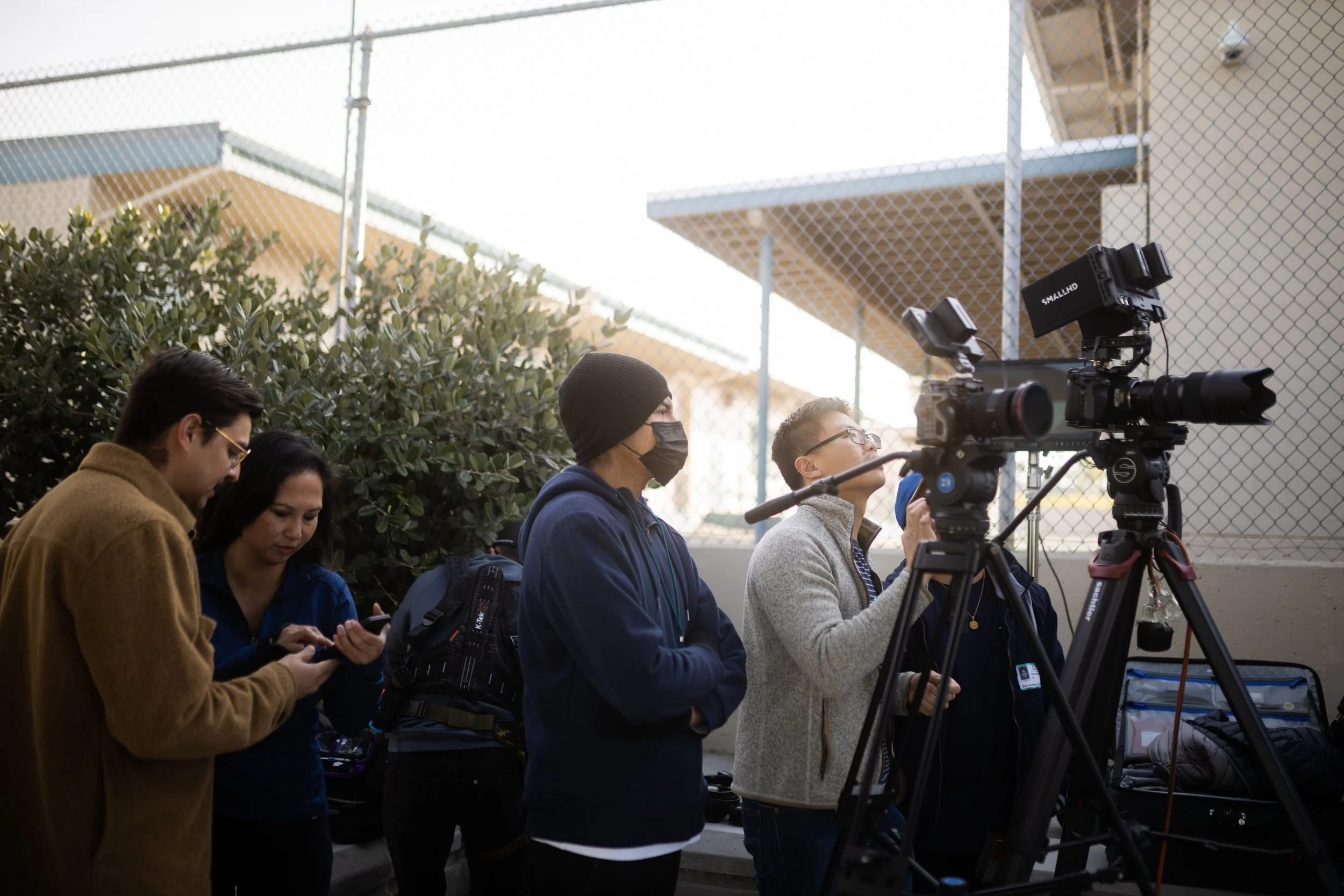
In 2016 came the Growing Hope Project: a career pathway and AgTech facility at San Andreas High School, built in partnership with San Bernardino City Unified School District and Technical Employment Training. That project required grant writing, architect and contractor coordination, curriculum, food-safety certification, teacher professional development and a brand — all at once, all from one firm.
Since 2022, the same toolkit has gone into housing and healthcare: Medi-Cal CalAIM Enhanced Care Management and Community Supports. Different vocabulary, identical problem. A program with real obligations, a team without the infrastructure to meet them, and a deadline that is not moving.
The industries changed. The work never did.
Because the calls that matter tend to come after hours, and because the work that saves a program usually happens when everyone else has gone home.
WHY “NIGHT OWL”
02 / sherryl anderson
THE founder
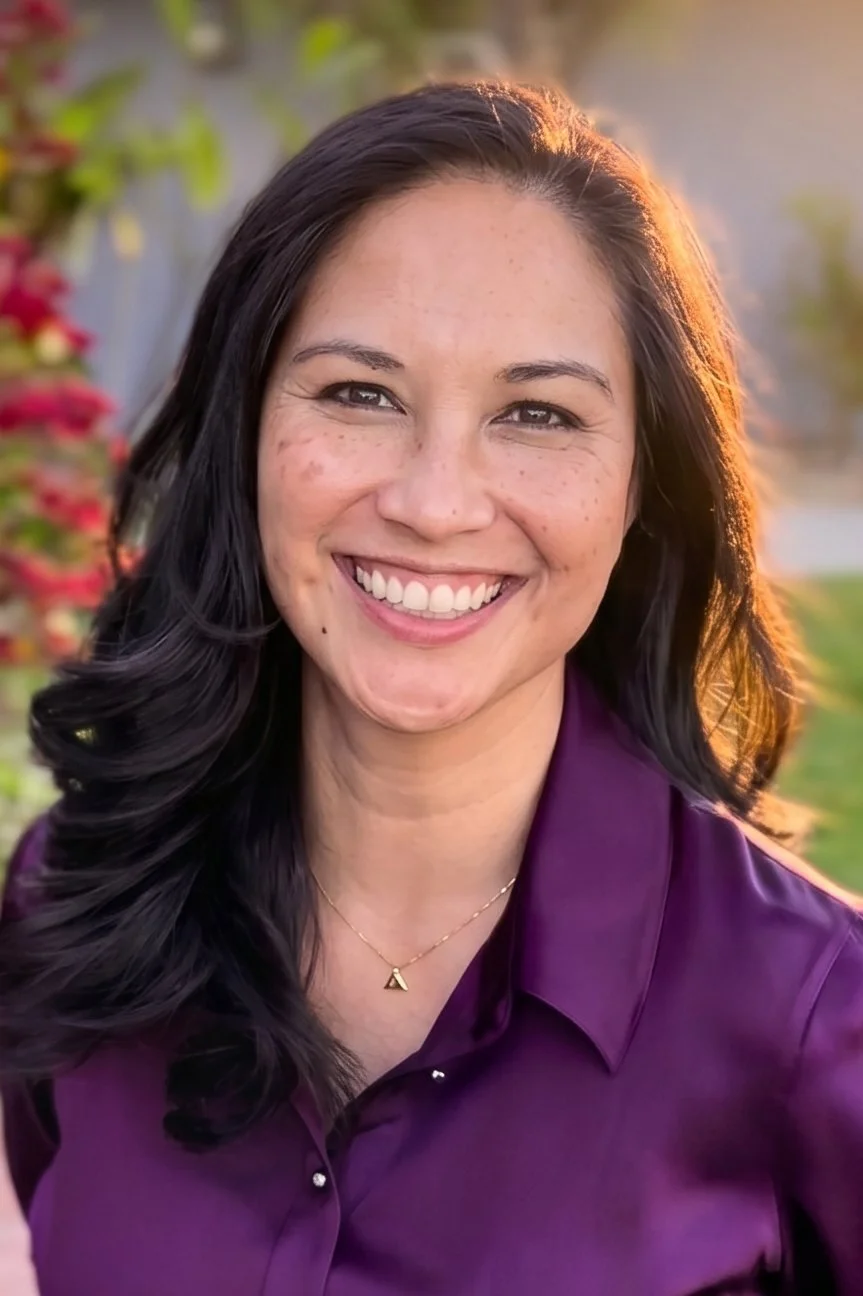
Sherryl Anderson is a multidisciplinary strategist, consultant, creative and systems builder who works where technology, healthcare, education, wellness and community impact intersect.
She is usually brought in when the problem is urgent, the information is incomplete, resources are limited, and several priorities are competing for the same week. In those environments she can quickly identify patterns, clarify what is actually preventing progress, and develop workable solutions that account for both the organization’s goals and the realities of the people responsible for carrying them out.
Her work does not stop at advising. She writes the grant and then builds the program it funds. She designs the workflow and then builds the tracker that runs it. She plans the audit response and then produces the policies, forms and packets that survive it. She can examine a problem at the executive level, understand its effect on frontline staff and the people they serve, and then personally create the tools, training and communications needed to address it.
What distinguishes her approach is that a solution is never judged only on whether it can technically work. It is judged on workflow, team capacity, fatigue, adoption, member experience, compliance, sustainability — and the unintended effects a change creates elsewhere in the organization.
More than a fixer: someone who finds why the fires keep starting.
Background
B.S. Computer Information Systems, minor in Business with a focus in Marketing — La Sierra University
8 years commercial banking business development, $5M–$250M client portfolio
Founder & 100% owner of Night Owl Bay since February 2012
Co-originator of the Growing Hope Project, 2016
CalAIM ECM & Community Supports program builder since 2022
03 / principals
WHAT we believe
The brief comes
before the build
Nothing gets produced until the problem, the definition of good enough, our role and the non-negotiables are written down. Speed without calibration is just expensive rework.
Design for a tired team,
not an ideal one
A workflow succeeds or fails based on what a fatigued staff member can realistically complete at 4pm on a Thursday. That constraint is a design input, not an excuse.
Advanced should not
mean exclusive
We depend on this engineer to transform conceptual requirements into robust technical solutions that integrate seamlessly with existing infrastructures.
Build the evidence
as you go
Audit readiness is not a phase at the end. At launch, policies, forms, packets and documentation get built alongside the program, because that is the best way to refine and iterate.
Original work that scales;
not a template
We create rather than replicate — so the solution fits the organization instead of forcing the organization into a generic model.
Design something
they can run
The measure of the engagement is whether the program is still operating, and still compliant, twelve months after we are gone.